Colours of Love
Six classic styles of loving, with Greek and Latin names
Free, no account needed.
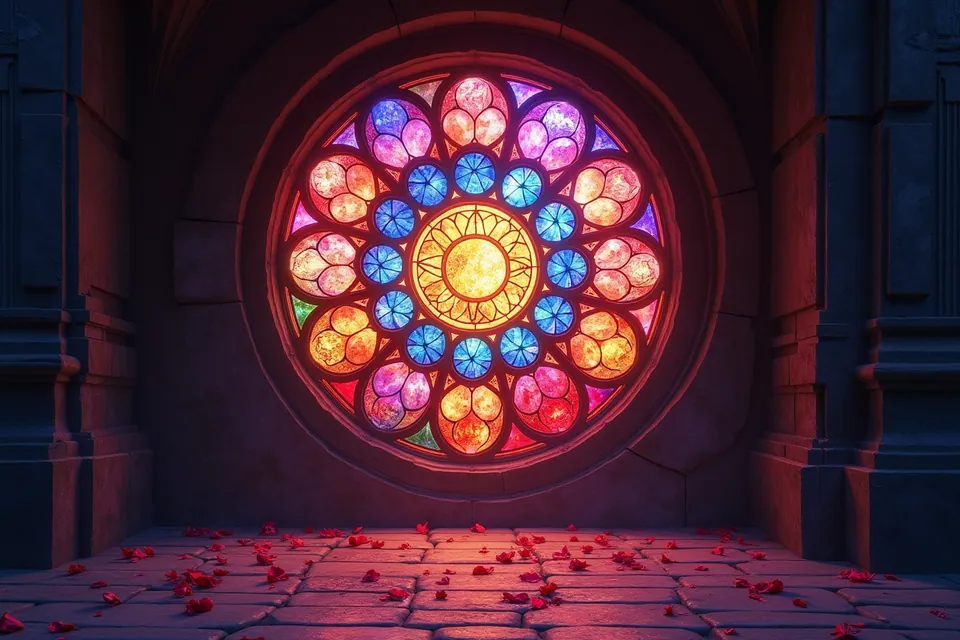
In the 1970s the sociologist John Alan Lee collected hundreds of love stories and found that people do not simply love more or less: they love in different styles. He named them with Greek and Latin words and arranged them like colours on a wheel: three primary styles and three blends.
Think about your close romantic relationships, past, present or imagined. Answer for how you tend to love, not how you think love ought to be. Most people are a mix of two or three styles.
What it measures
Eros
Passionate love: intense attraction, emotional intimacy and a strong sense of chemistry from early on.
Low: You do not expect instant sparks; feelings for you grow gradually.
High: You love with intensity and immediacy, and chemistry matters a great deal.
Mania
Intense, anxious love: emotional highs and lows, a strong need for reassurance, and jealousy.
Low: You feel secure in love and rarely worry or feel jealous.
High: Love brings you highs and lows, and you need a lot of reassurance.
Ludus
Playful love: love as an enjoyable game, light-hearted, with freedom and a dislike of heavy commitment.
Low: You take love seriously and prefer openness to games.
High: You enjoy the play of love and value your freedom.
Pragma
Practical love: choosing a partner with an eye on compatibility, shared goals and a workable life together.
Low: You follow your heart and dislike calculating compatibility.
High: You value compatibility and think about what makes a life together work.
Storge
Friendship love: affection that grows slowly from companionship, trust and shared everyday life.
Low: For you, romance and friendship feel like different things.
High: Your deepest love grows out of friendship and familiarity.
Agape
Selfless love: putting the beloved's well-being first and giving without keeping score.
Low: You expect love to be reciprocal and balanced.
High: You love generously and sacrificially, putting the other first.
Possible results
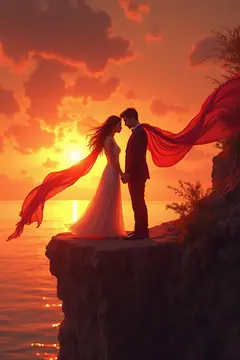
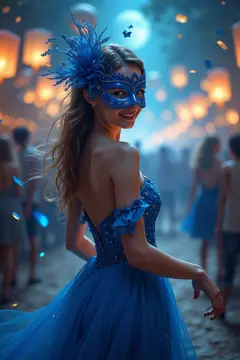
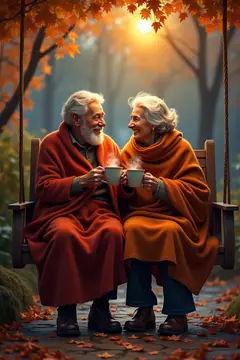
About this test
John Alan Lee's "Colours of Love" (1973) proposed that, like colours, love comes in three primary styles, eros (passionate, intense attraction), ludus (playful, uncommitted love) and storge (love that grows out of friendship), which combine into three secondary ones: mania (eros plus ludus: intense, anxious, possessive), pragma (ludus plus storge: practical, compatibility-minded) and agape (eros plus storge: selfless, giving love).
Clyde and Susan Hendrick turned the theory into a widely used questionnaire in the 1980s, and decades of research show the styles are meaningful: eros and agape tend to go with relationship satisfaction, ludus with lower commitment, and mania with jealousy and attachment anxiety. Styles also shift across life and between relationships.
This independent test measures each style with original statements and ranks them, reporting your top two as your blend. Scores are relative to the range of possible answers, not to population norms. It is a mirror for reflection, not a verdict on any relationship.
References
- Lee, J. A. (1973). Colours of Love: An Exploration of the Ways of Loving. New Press.
- Hendrick, C. & Hendrick, S. (1986). A theory and method of love. Journal of Personality and Social Psychology, 50(2), 392-402.
- Hendrick, S. & Hendrick, C. (1992). Romantic Love. Sage.
For self-reflection and curiosity, not diagnosis. Scores describe how you answered, relative to the possible range; they are not compared with population norms.
Colours of Love
About 4 minutes · 36 questions
More tests in this area
- Attachment Style
Secure, anxious, avoidant or fearful?
34 questions · About 5 minutes
- Affection Styles
How you most like to give and receive care
30 questions · About 6 minutes